See the part
Geometry and incoming surface reveal the true process challenge.

This page is a deliberately written brand-story draft. Replace dates, founder details and milestones with the company's verified history before publication.
In metalworking workshops, a part could be dimensionally correct and still be rejected because the surface told a different story: uneven lines, sharp edges, inconsistent gloss or too much dependence on operator technique.
The early idea behind JUHUA was simple: surface finishing should not be treated as the last-minute cosmetic step. It should be designed as a controlled production process.
That idea became the foundation for a machinery portfolio focused on polishing, grinding, brushing and deburring.
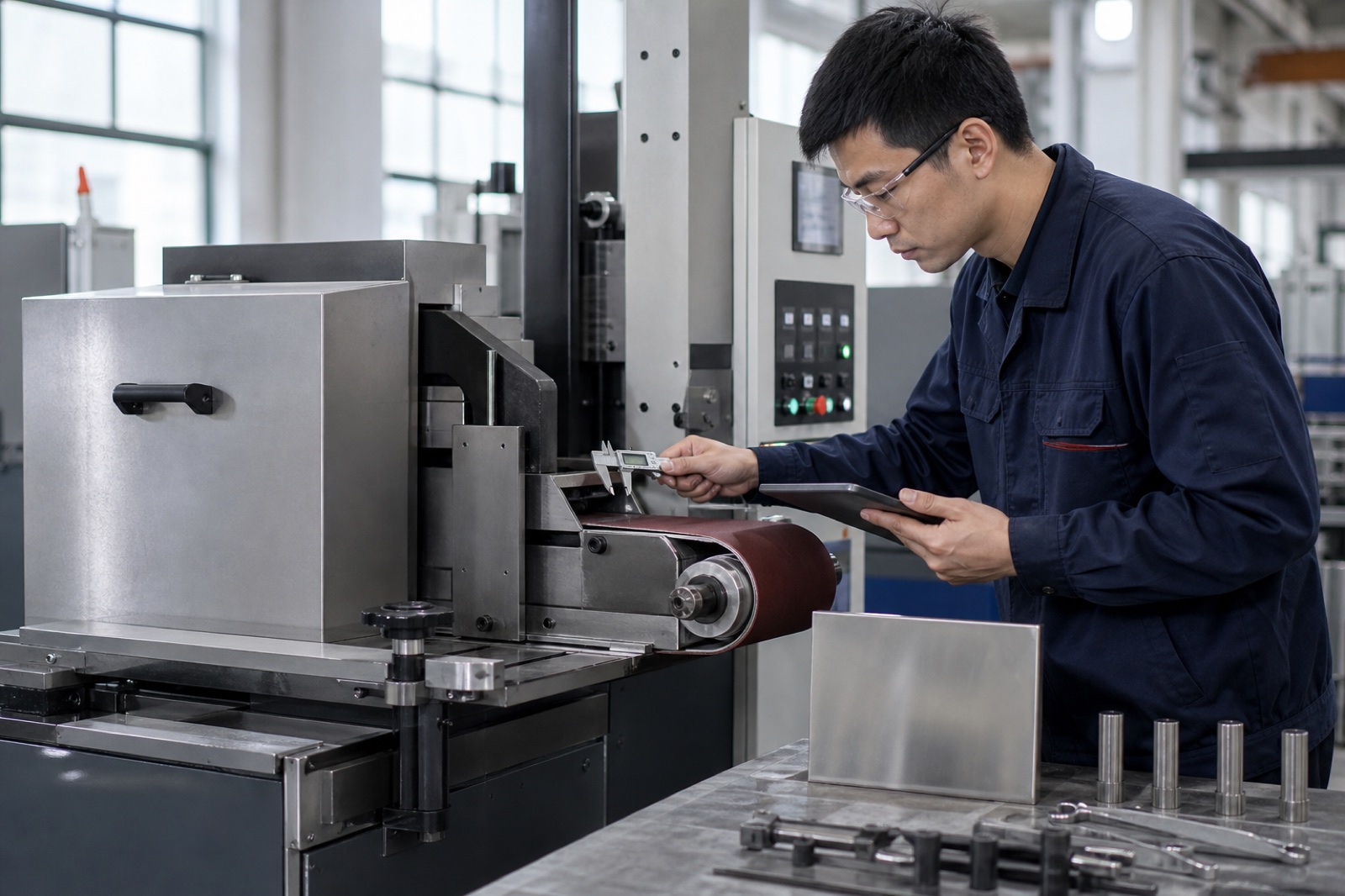
The story shifts when the team stops asking “Which model do you want?” and starts asking “What does the part need to become?”
Geometry and incoming surface reveal the true process challenge.
A sample, visual standard or roughness target makes quality discussable.
Abrasive, pressure, speed, feed and workholding become one system.
Inspection and trial evidence turn a promise into a decision.
The sweeping line in the JUHUA identity suggests a polished edge catching light—an image of material transformed through precision and motion.
For an international buyer, the brand promise is meant to be direct: understand the application, make the process workable and communicate clearly from the first sample to the shipped machine.
Creative interpretation — confirm with brand owner
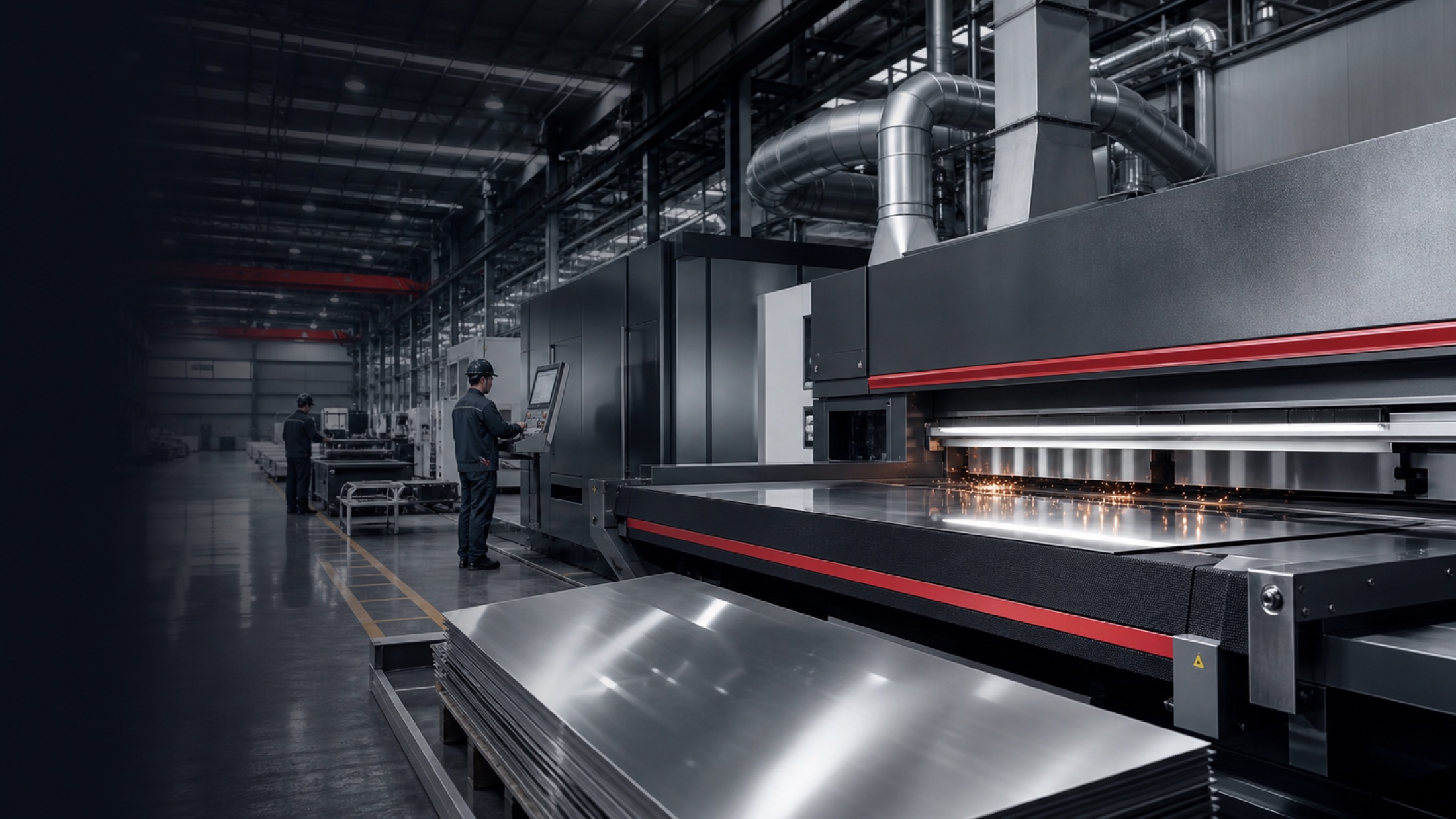
The structure below is intentionally generic. Replace every stage with verified dates, product breakthroughs, factory moves and export-market milestones.
The team identifies the need for more controllable metal surface-finishing processes.
Solutions expand across flat surfaces, tubes, manual polishing and deburring.
Automatic configurations address higher-volume and consistency-driven projects.
Buyer communication evolves around drawings, samples, videos and application data.
A brand story is useful only when it becomes visible in daily work.
Ask enough application questions before making a recommendation.
Use practical engineering evidence instead of inflated claims.
Make key stages and decisions visible through clear communication.
Design for stable production results, not a single impressive sample.
For the final site, add the founder's real story, dates, early machine photos and customer-market milestones.